Shed Demolition in Bergen County, NJ
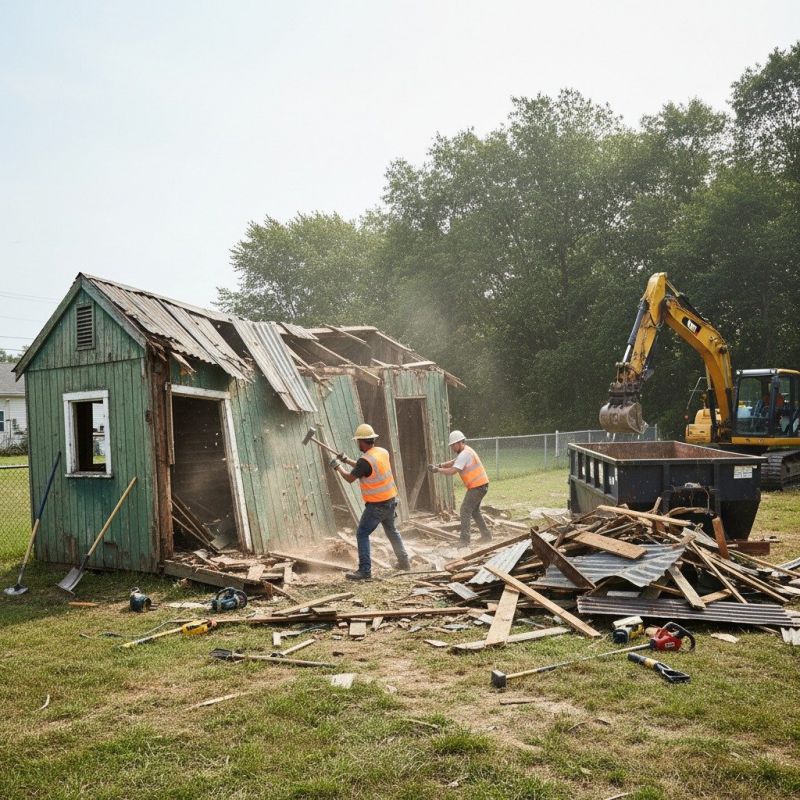
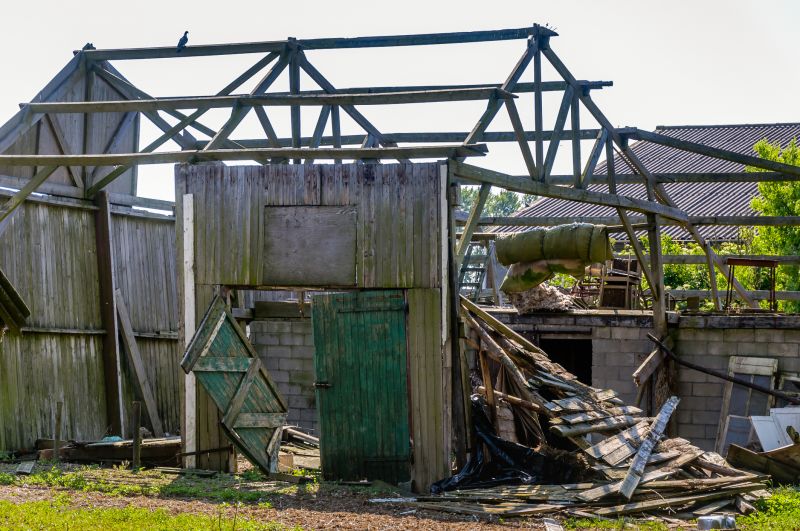
Shed demolition services involve the careful removal and disposal of existing backyard or garden sheds, helping property owners clear space or prepare for new landscaping projects. This service covers a variety of shed types, including wooden, metal, or plastic structures, regardless of size or complexity. Homeowners typically request shed demolition when a shed is damaged, outdated, or no longer needed, and they want a straightforward way to safely remove the structure without damaging surrounding property.
Before requesting shed demolition, property owners should consider the location of the shed, its accessibility, and whether any utilities or attachments need to be disconnected beforehand. It’s also helpful to understand local regulations or permits that may be required for demolition, especially if the shed is large or situated in a designated area. Clear communication about the shed’s construction and any potential obstacles can ensure the process proceeds smoothly and efficiently.
Many property owners in Bergen County, NJ look into Shed Demolition for repairs, replacements, upgrades, and appearance-related improvements.
Shed Removal Options
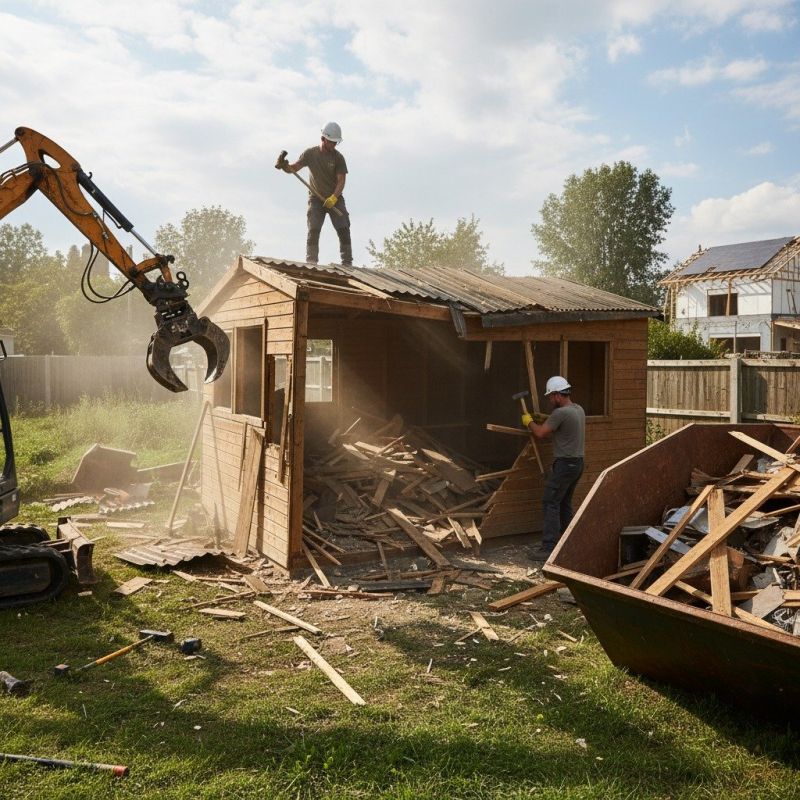
Professional shed demolition services handle structures of all sizes and conditions.
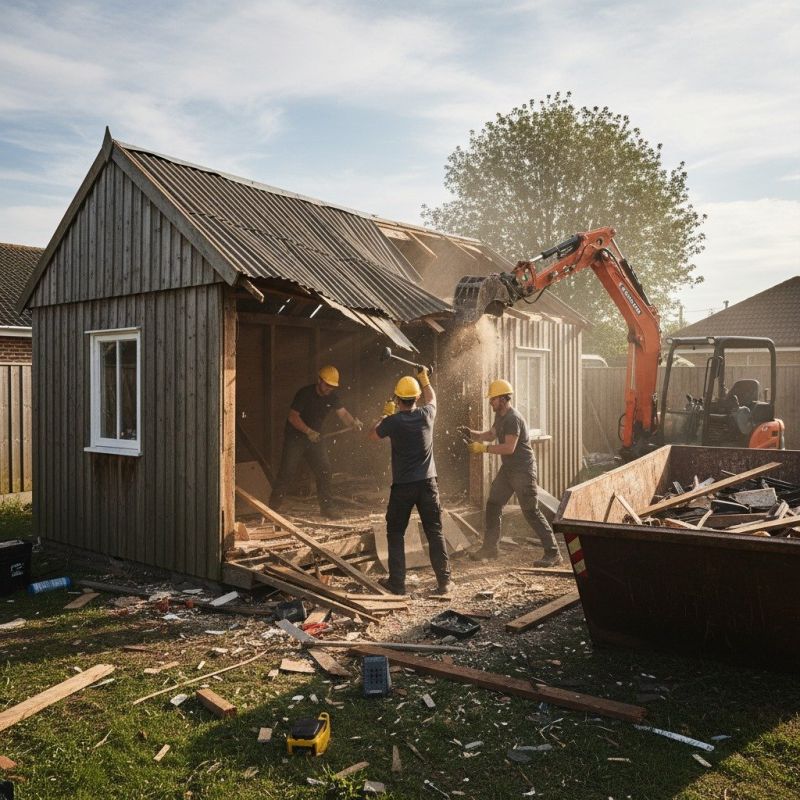
Property Cleanup And Restoration
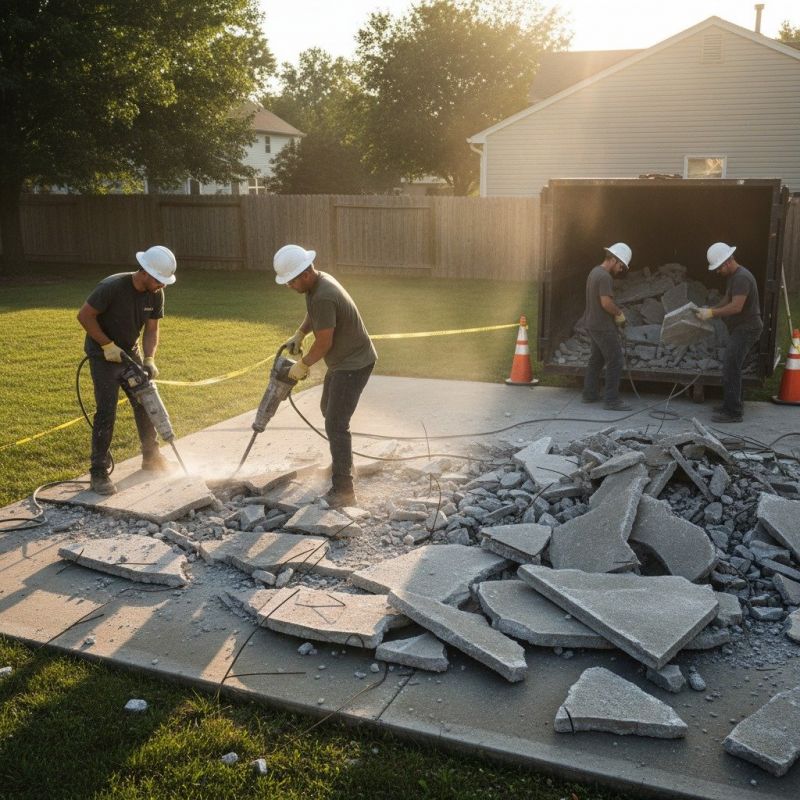
After demolition, sites are cleared and prepared for new projects or landscaping.
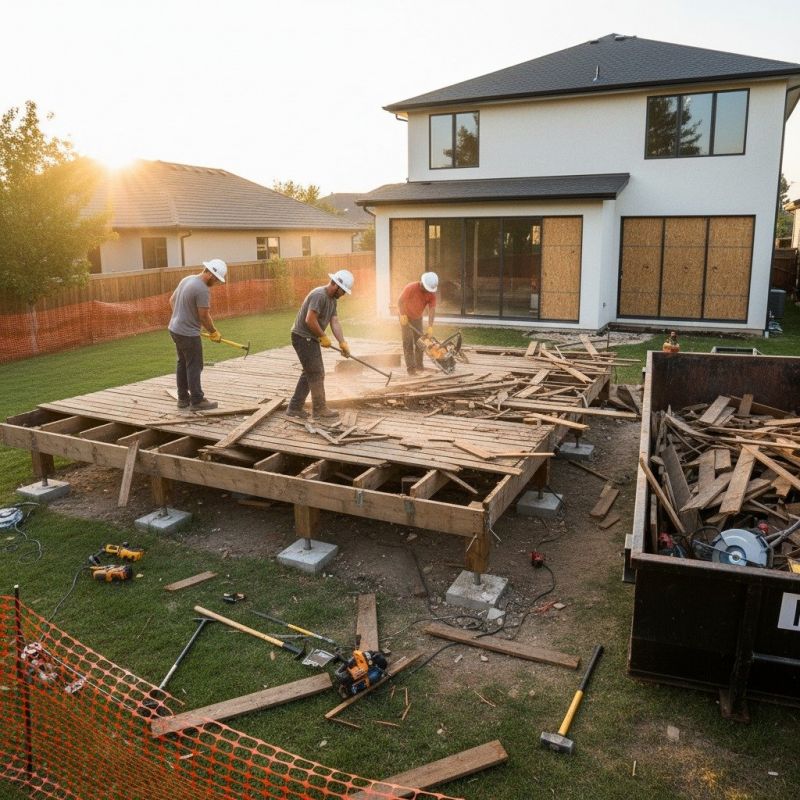
Safe And Efficient Demolition
Services prioritize safety and efficiency to minimize disruption to nearby structures and landscaping.
Shed Demolition in Bergen County, NJ
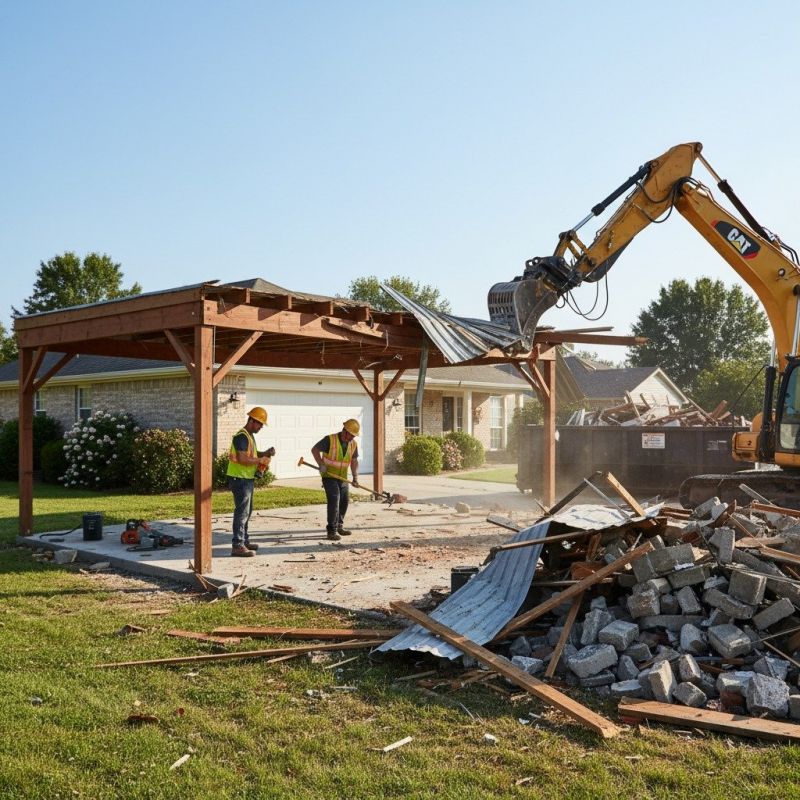
Shed demolition services involve the careful removal and disposal of existing backyard or garden sheds, helping property owners clear space or prepare for new landscaping projects. This service covers a variety of shed types, including wooden, metal, or plastic structures, regardless of size or complexity. Homeowners typically request shed demolition when a shed is damaged, outdated, or no longer needed, and they want a straightforward way to safely remove the structure without damaging surrounding property.
Before requesting shed demolition, property owners should consider the location of the shed, its accessibility, and whether any utilities or attachments need to be disconnected beforehand. It’s also helpful to understand local regulations or permits that may be required for demolition, especially if the shed is large or situated in a designated area. Clear communication about the shed’s construction and any potential obstacles can ensure the process proceeds smoothly and efficiently.
Many property owners in Bergen County, NJ look into Shed Demolition for repairs, replacements, upgrades, and appearance-related improvements.
Common Shed Demolition Jobs
Shed Demolition - professional removal of backyard sheds to create space for new projects or landscaping.
Shed Removal - safe dismantling and disposal of old or damaged sheds on residential properties.
Partial Shed Demolition - removal of specific shed sections to accommodate renovations or repairs.
Shed Disposal - environmentally responsible hauling and recycling of shed materials after demolition.
Shed Demolition for Renovation - clearing existing structures to prepare for backyard upgrades or extensions.
Shed Removal for Property Improvement - clearing out outdated or unused sheds to enhance property value and appearance.
Shed Demolition Questions
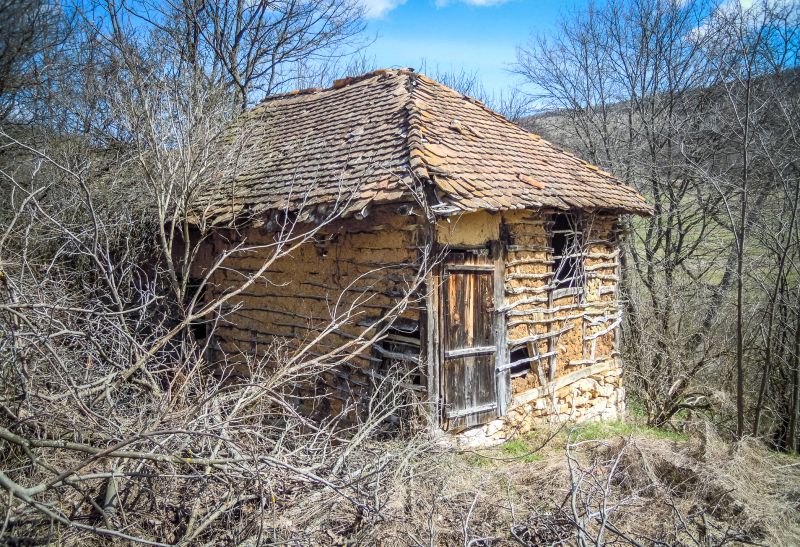
What types of sheds can be demolished? Sheds of various sizes and materials, including wood, metal, and plastic, can be dismantled and removed.
Is shed demolition suitable for old or damaged structures? Yes, shed demolition is often used to safely remove outdated or deteriorated structures.
What should property owners consider before demolition? Clearing the area and ensuring proper disposal of shed debris are important steps before demolition.
Can shed demolition help prepare a yard for new projects? Yes, removing an existing shed can create space for landscaping, additions, or new construction.
Request Shed Demolition in Bergen County, NJ
Use the quote form on this page to share the basics of your project and request more information for the type of work you need.